

Our goal

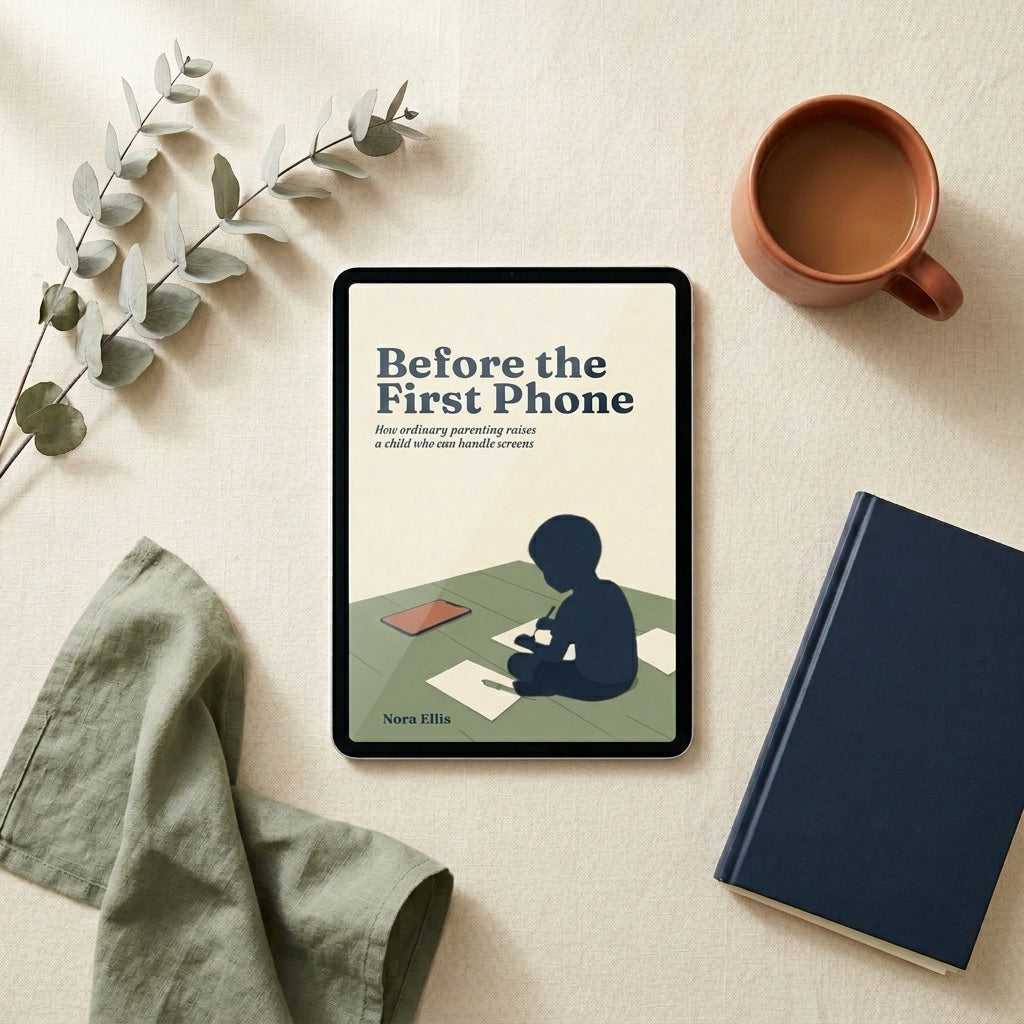
Start where your house is
Why Small Moments Press not a common e-book provider
-

Helps with your child's upbringing
Small Moments doesn't give you a random advice you can choose to follow. We provide many tips for your child's future life, not just for their childhood or a certain topic. This can help your children get an amazing personality, not having insecurities and continue giving these advice to their children.
-

Supports the parent-children relationship
The advices and tips by Small Moments can help you with your relationship with your children. This works through advanced guided parts in the ebook, e. g. not arguing with your child about things you always argued about though it wasn't necessary.
-

Cares about the Environment
With providing PDF files instead of printing common books out of paper or even using e-book apps of big companies, Small Moments protects the environment including our whole planet so we can provide a collection of ebooks without even having to think about how to care about the environment more.


The idea the whole book rests on
Almost everything that determines how your child handles a phone at thirteen is being built right now, out of things that have nothing to do with phones.
A child who has learned that an unpleasant feeling can be survived without being immediately fixed finds a boring afternoon less unbearable — and a boring afternoon that is bearable is one that does not have to be filled with a screen. A child who has been read to has a relationship with slow attention. A child whose parents put their phones down at dinner has seen, hundreds of times, that a device can wait. None of that is media education. It is just parenting, and you are already doing most of it.
The book is equally clear about the limits of that claim. Nobody has run the study proving that a four-year-old who can tolerate boredom becomes a fifteen-year-old who puts the phone down. It is a reasonable inference, not a finding, and chapter 1 says so in those words. What is better established is the reverse: households that run entirely on prohibition tend to produce children who are good at getting around prohibitions and bad at talking to their parents about what they find.